
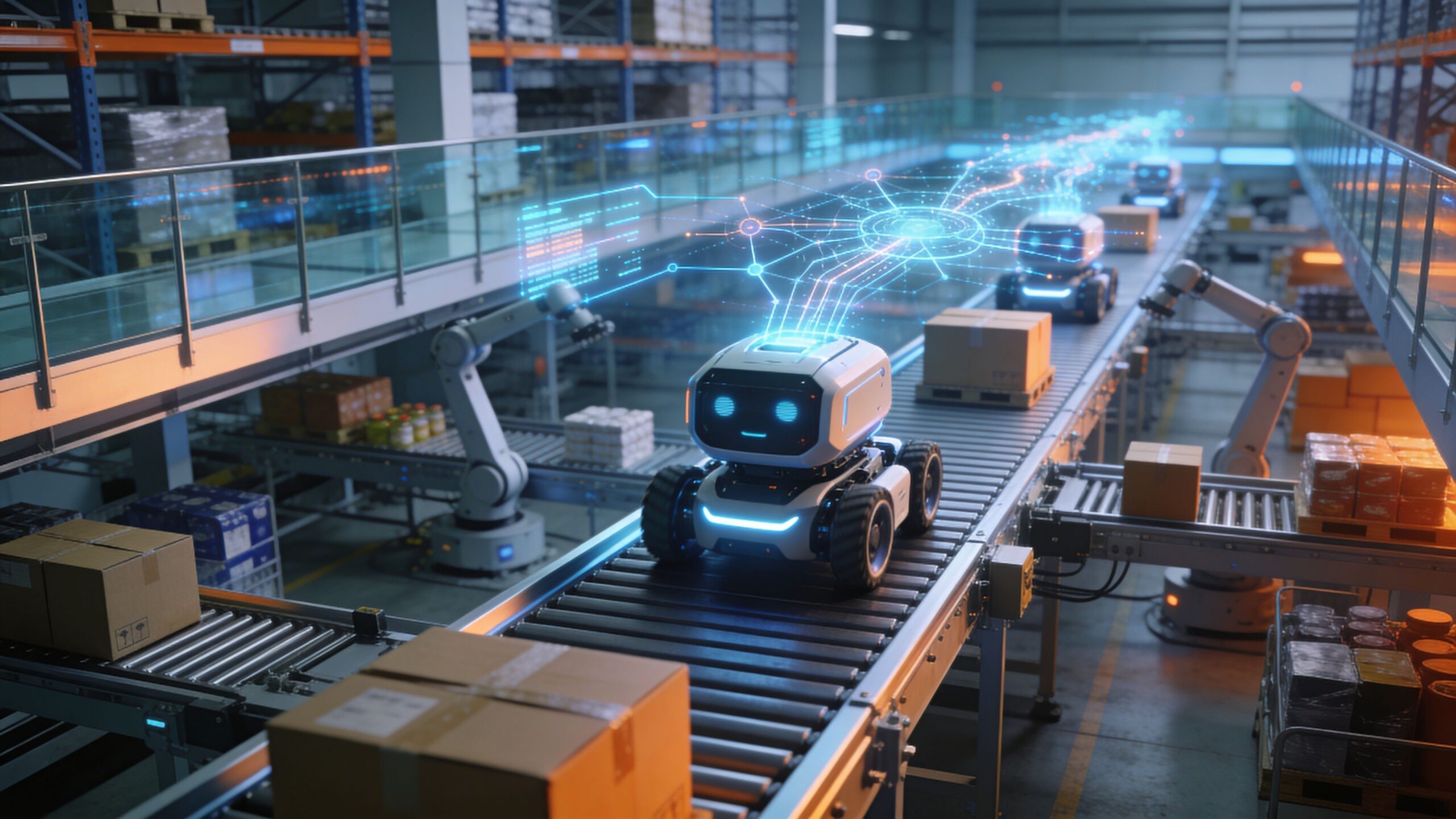
Artificial intelligence is rapidly reshaping the world of e-commerce, transforming how businesses understand customers, manage operations, and deliver personalized shopping experiences. In today’s digital marketplace, AI systems are analyzing massive streams of data to predict trends, recommend products, optimize pricing, and streamline logistics in ways that were unimaginable just a few years ago. From intelligent product recommendations and conversational shopping assistants to advanced demand forecasting and fraud detection, AI is helping retailers operate with greater precision and speed. Online stores are no longer simply digital catalogs—they are becoming adaptive ecosystems that learn from every click, search, and purchase. As machine learning models grow more sophisticated, companies can anticipate customer needs, reduce friction in the buying journey, and create experiences that feel remarkably tailored to each individual shopper. At the same time, AI is giving businesses powerful tools to compete in an increasingly crowded marketplace by improving marketing strategies, inventory planning, and supply chain efficiency. In this section of AI Business Street, we explore the technologies and strategies driving the next evolution of digital commerce, highlighting how AI is turning data into smarter decisions and more engaging online shopping experiences.
A: It is the use of intelligent software to improve shopping experiences, automate workflows, and optimize retail decisions.
A: Common early wins include recommendations, search, customer support, fraud detection, and demand forecasting.
A: Usually no; it speeds up analysis and automation, while people still guide strategy, brand, and customer experience.
A: Poor data, bad automation rules, weak brand controls, and overtrust in inaccurate outputs.
A: Yes; product copy, support chat, merchandising help, and email optimization are practical starting points.
A: No; generative AI creates content and messaging, while predictive AI estimates shopper behavior and business outcomes.
A: They usually track conversion rate, revenue lift, average order value, labor savings, and retention improvement.
A: Merchandising, marketing, operations, support, data, and leadership should all be involved in implementation.
A: Not in every case; guardrails and human review are important for pricing, content, and customer trust.
A: Pick one practical use case, prove the impact, refine the workflow, and then expand carefully.