
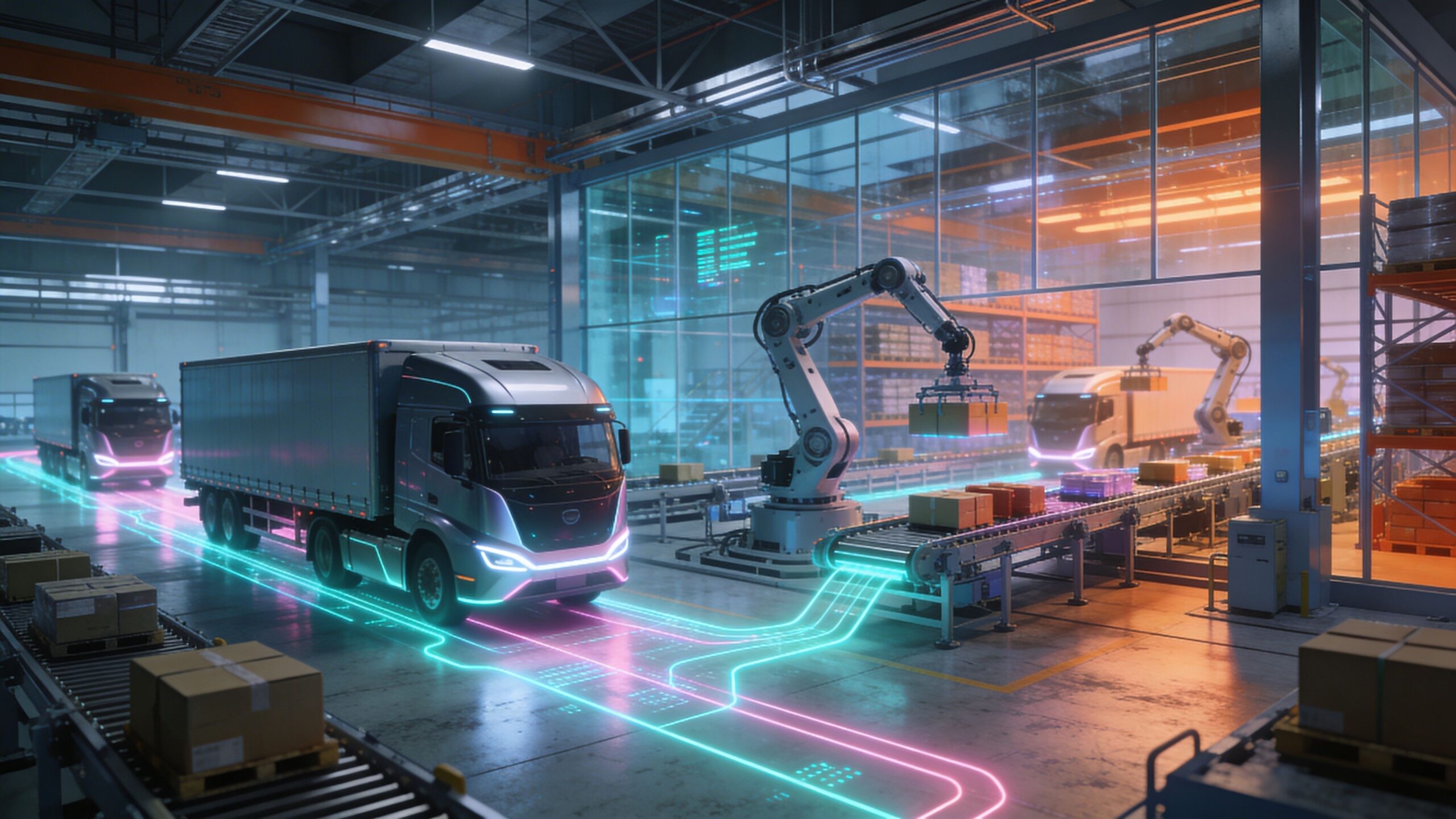
AI is transforming logistics into a fast-moving, intelligent network where data drives every decision and efficiency becomes a competitive advantage. What was once a complex web of manual tracking, delayed updates, and reactive planning is now evolving into a predictive, automated system powered by real-time insights. From route optimization and demand forecasting to warehouse automation and autonomous delivery systems, AI is reshaping how goods move across the world. On AI Business Street, this category explores how companies are leveraging AI to streamline operations, reduce costs, and deliver faster, more reliable service. You’ll discover how advanced algorithms anticipate disruptions, optimize supply chains, and enhance visibility from origin to destination. Whether you’re managing global logistics, running a growing e-commerce operation, or exploring the future of supply chain innovation, these articles provide a deeper look into the technologies redefining movement and delivery. Step into a world where logistics is no longer reactive but intelligently orchestrated for speed, precision, and scalable growth.
A: Usually in route optimization, ETA prediction, forecasting, warehouse efficiency, and exception management.
A: It is more likely to support planners, dispatchers, and warehouse teams by improving decisions rather than replacing operations expertise.
A: Bad data or blind trust in weak recommendations can create costly operational mistakes quickly.
A: Yes, especially through better routes, improved load planning, fewer delays, and smarter labor allocation.
A: Both benefit, but the highest return depends on where the operation has the most friction and volume.
A: Track cost per delivery, on-time rates, labor efficiency, fuel use, inventory performance, and exception reduction.
A: Yes, it can surface risk earlier and recommend alternate routes, schedules, or inventory moves faster.
A: Weak data integration, unclear metrics, low operator trust, and no action plan for using the recommendations.
A: Not always; transportation, warehouse, forecasting, and service teams may need different tools connected into one ecosystem.
A: Choose one measurable workflow, validate the data, define success metrics, and build from proven results.